Wednesday, October 28, 2026

Wednesday, October 28, 2026
 (1).webp)
* All product/brand names, logos, and trademarks are property of their respective owners.
Launching a fashion brand often starts with an exciting idea, a few sketches, and the ambition to create something unique. However, turning those ideas into wearable products requires more than creativity. Understanding how clothing manufacturers transform concepts into finished garments can help new designers avoid expensive mistakes and unnecessary delays. From preparing technical designs to selecting fabrics and approving samples, every stage contributes to the success of a clothing collection.
For emerging fashion entrepreneurs, manufacturing can seem complicated, especially when working with limited budgets and little production experience. This guide explains the essential steps between sketching your first design and developing a production-ready sample.
Every successful garment begins with a well-defined concept. Although initial sketches help communicate creative ideas, they rarely contain enough information for manufacturers to begin developing a product.
Before approaching a manufacturing partner, designers should clarify the purpose, style, and practical requirements of their clothing collection.
Consider these essential elements:
Target audience: Identify the customers who will wear your clothing and understand their preferences.
Garment specifications: Determine the desired silhouette, fit, length, and overall construction.
Fabric requirements: Consider comfort, durability, stretch, and seasonal suitability.
Design details: Specify necklines, pockets, closures, stitching, and decorative features.
Pricing expectations: Establish a realistic target retail price and production budget.
The clearer your design direction is before development begins, the easier it becomes to communicate your expectations and minimize costly revisions.
Developing a focused collection also helps startups avoid launching too many styles simultaneously. Beginning with a few carefully selected garments allows designers to concentrate their resources on quality and product development.
Once the creative concept is established, the next step is translating it into technical information that manufacturers can follow.
A tech pack serves as a reference document containing measurements, construction instructions, materials, and finishing details. It helps designers and production teams understand exactly how each garment should be created.
A typical tech pack includes:
Technical drawings showing front and back views.
Garment measurements and sizing specifications.
Fabric composition, weight, and color information.
Stitching methods, seams, and construction details.
Labels, trims, buttons, zippers, and other accessories.
Pattern making is another essential stage. Professional patternmakers convert garment designs into accurately shaped pieces that can be cut from fabric and assembled.
Fabric selection is equally important because materials influence how clothing looks, fits, and performs. For example, structured cotton may be suitable for tailored garments, while stretch blends are often preferred for fitted activewear.
Designers should evaluate fabric behavior, shrinkage, texture, and care requirements before finalizing their choices.
These technical decisions provide the foundation for creating a sample that closely reflects the original design.
Sampling is one of the most important stages of apparel development. A sample allows designers to examine their ideas as physical garments before committing to larger production quantities.
The prototype may reveal problems that were not obvious in the initial sketches, such as incorrect proportions, uncomfortable seams, or unsuitable fabric choices.
During sample evaluation, fashion startups should pay attention to several factors:
Fit and sizing: Does the garment fit the intended body measurements comfortably?
Construction quality: Are the seams, hems, and closures properly finished?
Fabric performance: Does the material maintain its appearance and shape during use?
Design accuracy: Does the sample match the approved technical specifications?
Wearability: Can customers comfortably move and perform everyday activities?
It is common for garments to require multiple adjustments before receiving final approval. Designers may need to refine patterns, modify dimensions, or replace materials.
Investing in accurate sampling can prevent small design problems from becoming expensive production issues later.
Once the sample is approved, manufacturers can proceed with size grading and other production preparations. This process helps maintain consistency across different garment sizes.
Finding the right production partner is especially important for independent designers entering the fashion industry.
Not every manufacturer offers product development, technical support, and smaller production quantities. Some companies specialize in high-volume orders, while others accommodate emerging brands that require additional guidance.
Fashion entrepreneurs researching small-batch clothing manufacturers should evaluate more than pricing alone.
Important considerations include production capabilities, minimum order quantities, communication, sampling services, quality standards, and turnaround times.
Working with local manufacturers may also simplify communication and make sample reviews more convenient. For example, startups comparing clothing manufacturers in Georgia can explore regional production facilities and discuss their specific development requirements.
Before contacting a manufacturer, prepare a realistic budget that accounts for pattern development, fabrics, sampling, production, packaging, and shipping.
It is also helpful to establish clear expectations regarding revisions, payment terms, approvals, and delivery schedules.
A dependable manufacturing relationship should support both product quality and the long-term development of your brand. Working with experienced clothing manufacturers for startups can help emerging designers understand production requirements, avoid common mistakes, and prepare their collections for manufacturing.
Turning a fashion sketch into a finished sample is an important milestone for any emerging clothing brand. Successful development depends on thoughtful planning, accurate technical information, suitable materials, and careful sample evaluation.
Rather than rushing into bulk manufacturing, focus on developing a garment that meets your quality standards and customer expectations. A well-tested sample creates a stronger foundation for production, reduces unnecessary risks, and brings your fashion business one step closer to a successful launch.

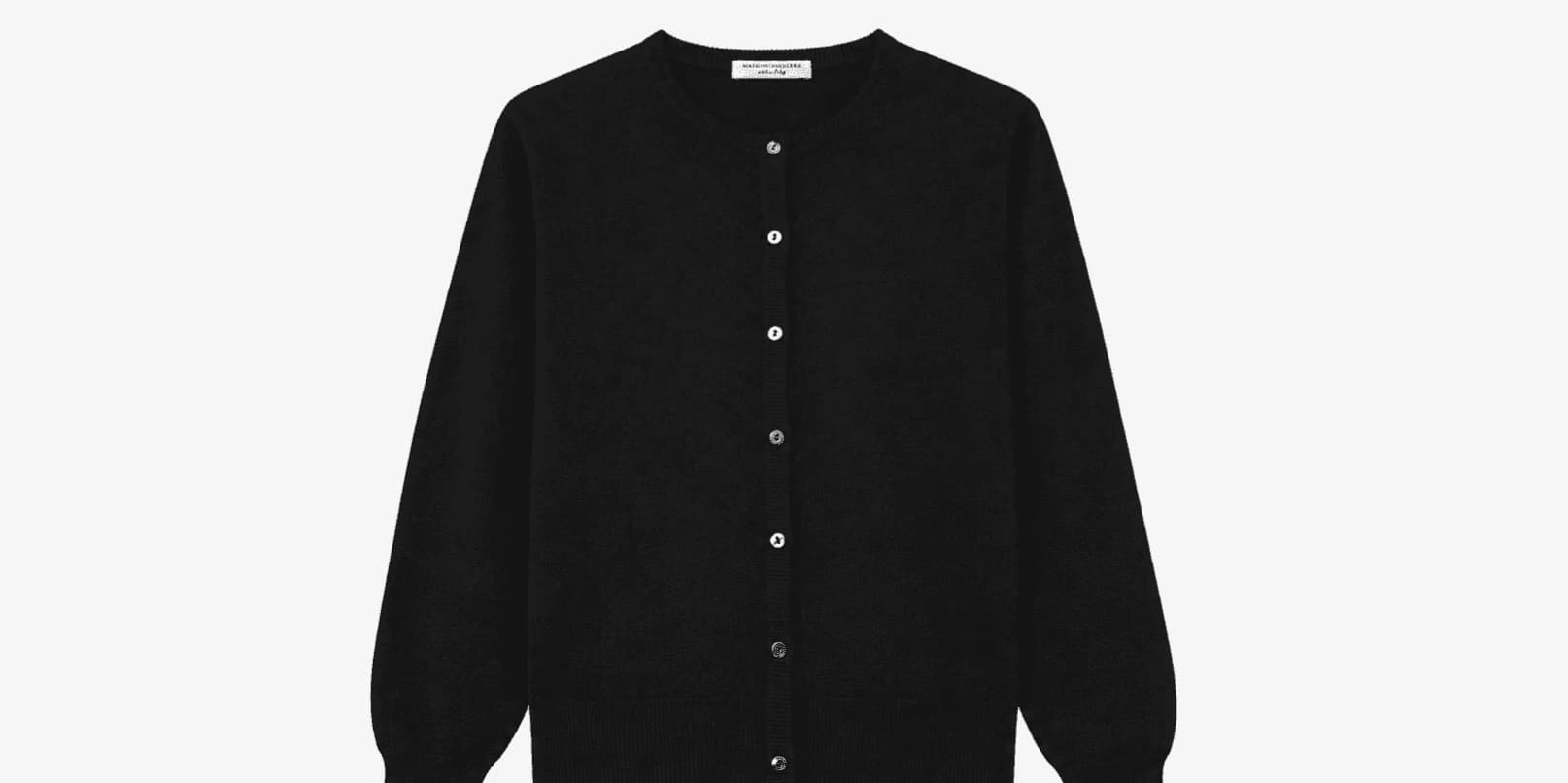
Choosing between a button-front cardigan and an open-front design may seem like a small fashion deci
9 October 2026
Walk into any Pakistani celebration after sunset — a mehndi under fairy lights, a birthday bas
17 September 2026
Newborn summer clothes play a crucial role in keeping infants comfortable during warm weather condit
22 May 2026
Be the first to share your thoughts
No comments yet. Be the first to comment!
Share your thoughts and join the discussion below.