Monday, October 26, 2026

Monday, October 26, 2026
* All product/brand names, logos, and trademarks are property of their respective owners.
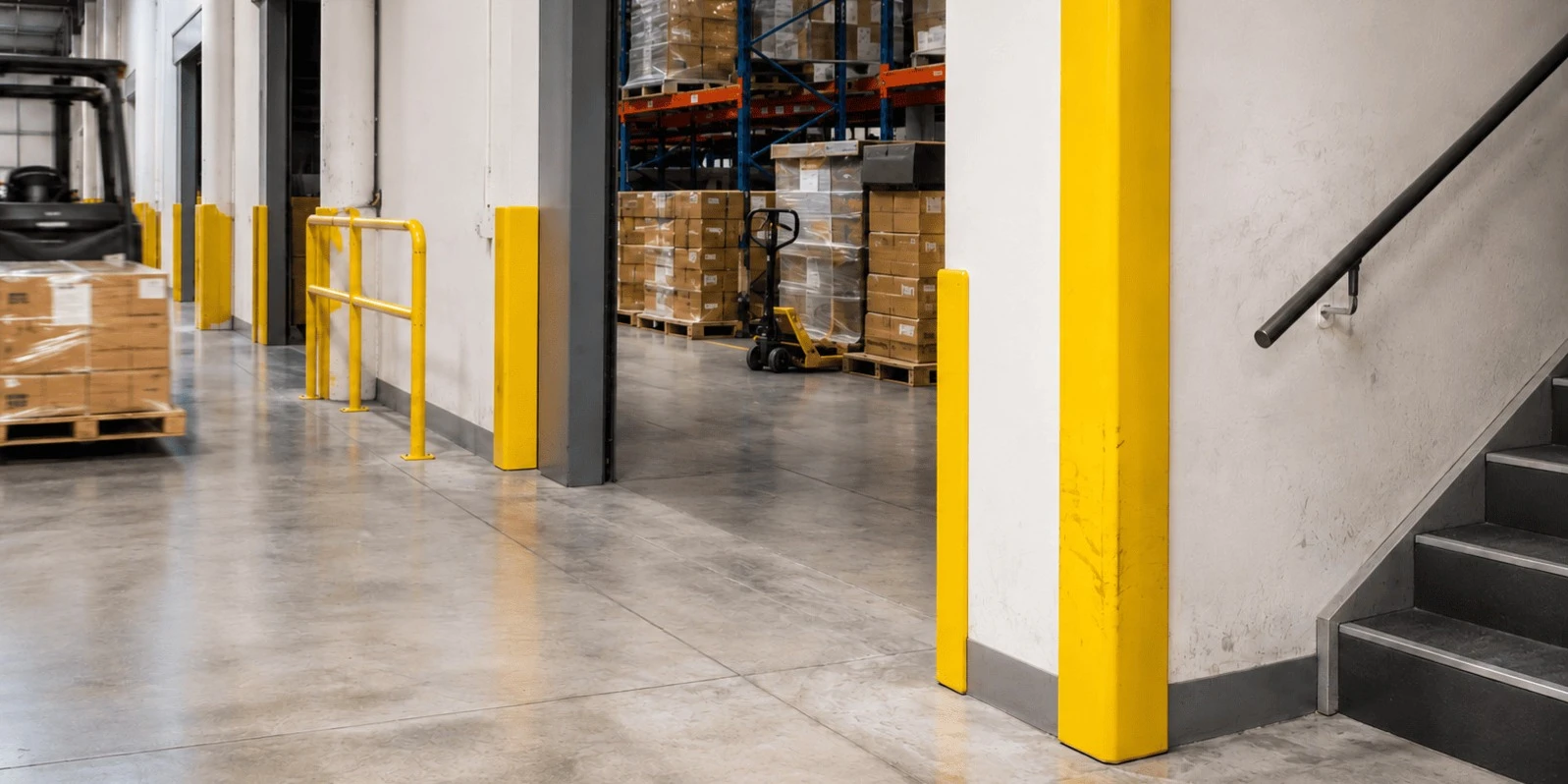
Corner damage is one of those problems that seems minor until it isn't. A dented plaster edge here, a scuffed stairwell corner there, and within a few months, a facility that once looked well-maintained starts to show its age. For manufacturing sites, warehouses, and busy commercial spaces, this kind of wear is almost unavoidable without the right protection in place.
A wall corner protector solves this by absorbing impact from trolleys, pallet trucks, machinery, and general foot traffic before it reaches the wall itself. But not every product on the market performs the same way, and choosing the wrong one can mean replacing it within a year. Knowing what to look for makes the difference between a protector that lasts and one that becomes another maintenance task.
Before comparing products, it helps to map out where damage is most likely to occur. In manufacturing environments, this usually means:
Sites that skip this step often end up under-protecting high-risk zones while over-spending on areas that see little wear. A quick walk-through, noting which corners already show scuffs or dents, gives a far more accurate picture than guessing.
Rubber protectors tend to absorb heavy impact better, which makes them suited to areas with forklift or trolley traffic. PVC options are lighter and easier to install, and they hold up well in lower-impact settings like office corridors or retail spaces.
Neither material is universally better; it depends on what's hitting the corner and how often.
A protector that's too rigid can crack under sudden impact rather than absorbing it. Look for products with enough flex to bend slightly on contact, since this is usually what prevents both the protector and the underlying wall from being damaged.
Corner protectors come in various heights and profiles, and getting this wrong is a common mistake. A protector that only covers the bottom 90cm of a wall won't help if most of the damage happens higher up, at trolley handle height, for example.
Measure the actual impact zone rather than assuming a standard size will work. In loading areas, full-height coverage is often worth the extra cost. In lower-traffic corridors, a shorter protector may be sufficient.
How a protector is fitted affects both its durability and how disruptive installation will be.
These are quick to fit and don't require drilling, which suits sites that can't tolerate downtime. The trade-off is that adhesive bonds can weaken over time, particularly in areas with temperature fluctuations or high humidity.
Mechanically fixed protectors take longer to install but generally offer a more permanent solution. For high-impact zones where failure would be costly, this extra installation time is usually a worthwhile investment.
This is often overlooked, but colour plays a practical role beyond appearance. Bright yellow or high-visibility protectors double as a visual cue, signalling to forklift operators and staff where corners narrow or where care is needed. In facilities following internal safety colour-coding, matching protectors to existing schemes also keeps signage consistent across the site.
Product quality varies significantly between manufacturers, even when specifications look similar on paper. It’s worth checking wall thickness, material grade, and whether the manufacturer provides clear installation guidance rather than relying on generic descriptions. Facilities managers comparing options often find it useful to review a dedicated Wall Corner Protector range to see how profile, material, and sizing options are presented side by side before making a final decision.
Even a well-chosen protector needs occasional attention. Adhesive-backed products should be checked periodically for lifting edges, while screw-fixed versions benefit from an annual inspection to confirm fixings remain secure. Cleaning requirements are minimal for most rubber and PVC options, though abrasive cleaners can dull the surface finish over time and are best avoided.
This depends heavily on material and impact frequency, but a well-matched rubber protector in a moderate-traffic area can last several years with minimal maintenance.
Adhesive-backed versions are generally straightforward for in-house teams to fit. Screw-fixed options may require basic tools and a bit more care to align properly.
Not necessarily. Many facilities choose high-visibility colours deliberately, using protectors as a safety cue rather than trying to blend them into the wall.
Selecting the right corner protector for wall areas isn't complicated, but it does require a bit more thought than picking the first product that fits the budget. Matching the material to the type of impact, sizing coverage to the actual risk area, and choosing a mounting method suited to the site all contribute to a solution that holds up over years rather than months. Get these factors right, and corner protection becomes one of those small investments that quietly saves on repair costs down the line.

Commercial Nosings UK is a specialist supplier of high-quality stair nosing solutions for commercial, industrial, and public buildings across the United Kingdom. The company focuses on providing durable, safety-compliant stair edging products designed to improve visibility, reduce slip risks, and enhance the longevity of stair installations in high-traffic environments.
If you're purchasing, operating, or maintaining heavy equipment, you likely have heard phrases such
18 August 2026
Buying large quantities of SMT-equipped feeders is distinct from purchasing only a few spares. If yo
12 August 2026
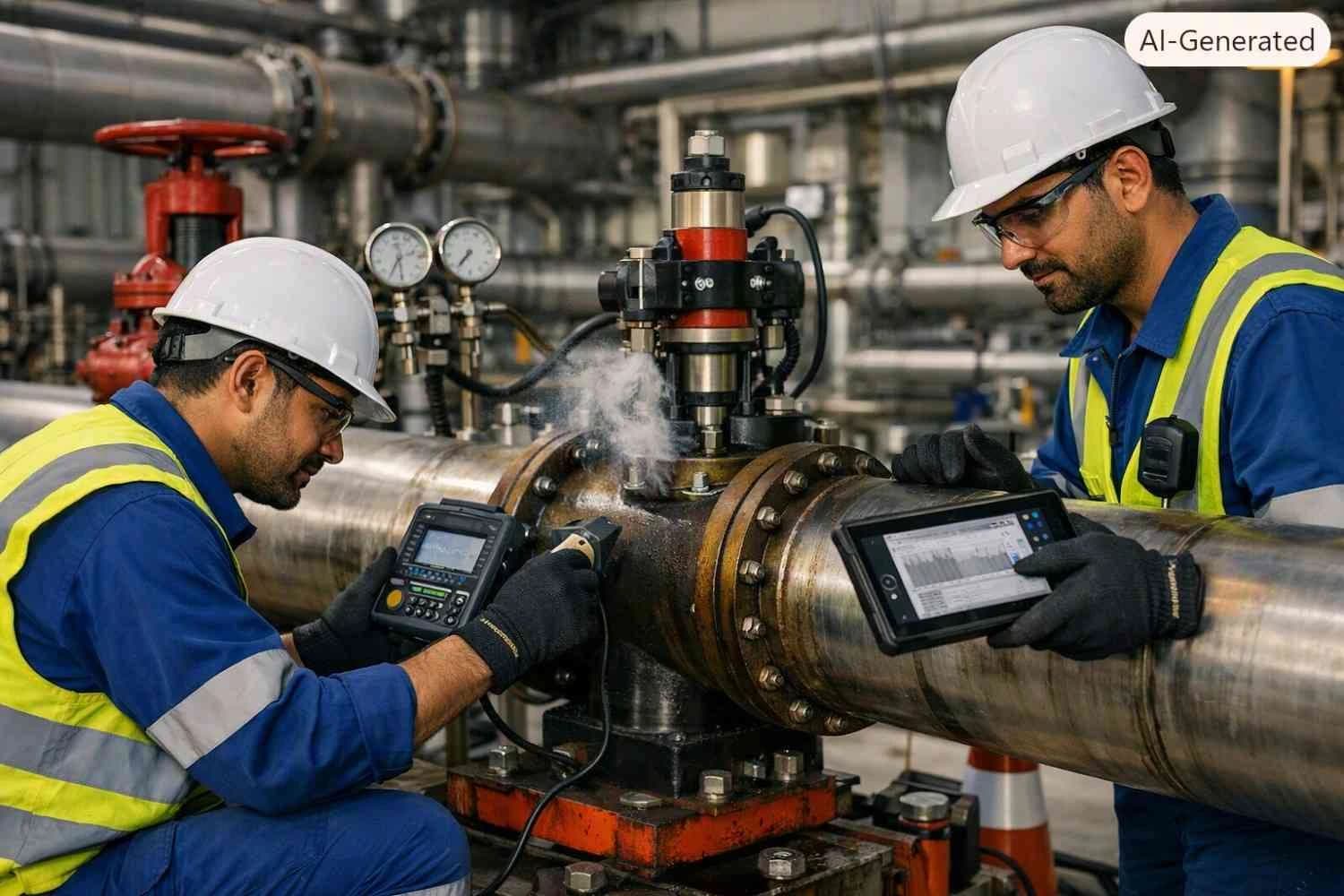
Hot tapping services in Rak are used when a connection needs to be added to an existing pipeline wit
24 July 2026
Be the first to share your thoughts
No comments yet. Be the first to comment!
Share your thoughts and join the discussion below.






.webp&w=3840&q=75)