Monday, October 26, 2026

Monday, October 26, 2026
* All product/brand names, logos, and trademarks are property of their respective owners.
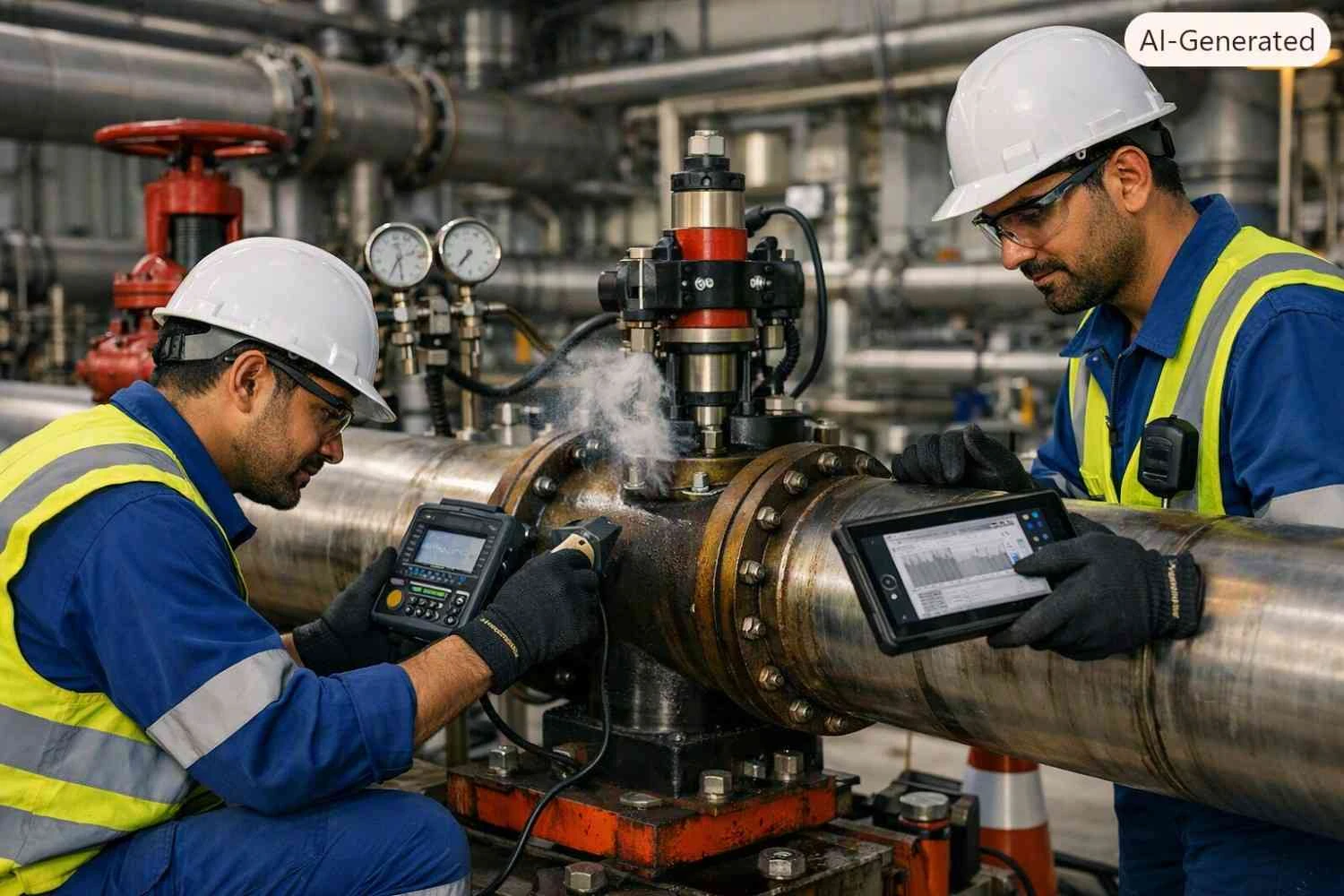
Hot tapping services in Rak are used when a connection needs to be added to an existing pipeline without fully stopping the system. The method allows work to be carried out while the pipeline is still operating. This can help reduce service interruptions in some industrial and utility systems.
However, hot tapping is not suitable for every pipeline. The condition of the pipe, the material inside it, operating pressure, temperature, and flow must all be checked before the work begins. A proper assessment helps determine whether the pipeline can safely support the procedure.
A pipeline must be in suitable condition before hot tapping is considered. The process involves attaching a fitting to the pipe and creating an opening while the line remains in service. This means the pipe must have enough strength to handle the work.
If a pipe is badly damaged, heavily corroded, or too thin, hot tapping may not be appropriate. Engineers usually review inspection records and other available information to understand the condition of the pipeline.
The purpose of this assessment is to identify possible risks before work starts. It also helps determine the correct equipment, fitting, and work method for the specific pipeline.
Pipe wall thickness is one of the main conditions checked before a hot tapping procedure. The pipe needs enough remaining wall strength to support the connection and the cutting process.
Corrosion and erosion can reduce wall thickness over time. Areas with serious metal loss may not be suitable for hot tapping. Measurements may be taken around the proposed tapping location to check whether the pipe has enough material remaining.
The selected tapping point should generally have sufficient structural strength and should not be affected by major defects. If the wall is too thin, another location or a different repair method may need to be considered.
The pressure and temperature inside the pipeline are also important factors. Hot tapping is performed on a live system, so the conditions inside the pipe must be understood before work begins.
Very high pressure may create additional challenges during the procedure. High or low temperatures can also affect the pipe material, fitting, equipment, and cutting operation.
The operating conditions should be compared with the limits of the equipment and materials being used. This helps ensure that the planned procedure is suitable for the actual pipeline environment.
The material used to make the pipeline can affect whether hot tapping is suitable. Common materials include carbon steel, stainless steel, and other metal alloys. Each material can behave differently during welding and cutting.
The pipe construction should also be reviewed. Information about pipe size, wall thickness, grade, previous repairs, and connection types can help with planning.
Some materials or pipeline designs may require special procedures. The compatibility between the existing pipe and the new fitting should also be considered before work begins.
The fluid carried by the pipeline is another major consideration. Hot tapping may be used on systems carrying water, certain hydrocarbons, gases, and other process fluids, but the risks vary depending on the contents.
The properties of the fluid should be understood before the procedure is planned. Factors such as flammability, toxicity, pressure, temperature, and chemical behavior can affect the work method.
The possibility of ignition or other unwanted reactions must be carefully considered when the pipeline contains flammable materials. The work area and equipment should be selected based on the specific conditions of the system.
The flow rate inside the pipeline can also affect the hot tapping process. A certain level of flow may help control heat during welding in some situations, while unusual flow conditions can create other challenges.
Very low or stagnant flow may require additional attention because heat can build up around the tapping area. On the other hand, very high flow can affect the cutting operation and the behavior of the fluid inside the line.
The expected flow conditions should be reviewed as part of the planning process. The tapping method should match the operating conditions of the pipeline.
The selected location is just as important as the general condition of the pipeline. The area should be inspected for corrosion, cracks, dents, previous welds, and other defects.
The tapping point should also provide enough space for the fitting and hot tapping equipment. Nearby valves, supports, bends, joints, and other connections may affect the choice of location.
A clear and accessible work area makes it easier to inspect the pipe and install the required equipment. Careful location selection can also help reduce unnecessary complications during the procedure.
A detailed inspection is normally required before hot tapping work begins. This may include visual checks, thickness measurements, and other non-destructive testing methods when needed.
Inspection results can provide information about the pipe's current condition. They may also help identify hidden defects that are not visible from the outside.
The inspection should focus on the planned tapping area and nearby sections of the pipeline. If the pipe condition does not meet the required criteria, hot tapping may need to be avoided at that location.
Not every pipeline is a good candidate for hot tapping. Severe corrosion, cracks, insufficient wall thickness, unstable operating conditions, or unsuitable materials can make the procedure inappropriate.
A pipeline carrying a hazardous substance may also require additional controls and careful planning. The condition of the surrounding equipment and the accessibility of the work area should also be considered.
The final decision should be based on a proper engineering assessment of the pipeline and operating conditions. This helps ensure that the chosen method matches the actual situation rather than relying on a general assumption.
Before a hot tapping procedure is planned, several important conditions should be reviewed:
Reviewing these factors gives a clearer understanding of whether hot tapping is appropriate for a particular pipeline. It also helps identify areas that may require additional inspection or planning.
Understanding these conditions is important when considering Hot tapping services in Rak, as each pipeline has its own operating environment and physical condition. A careful assessment of the pipe, fluid, pressure, temperature, flow, and tapping location can help determine whether the procedure is suitable for the system.

Rahul Kumar is a dedicated content writer who creates engaging, informative, and easy-to-read articles and guest posts. He focuses on original ideas, thorough research, and clear communication to deliver useful content across a variety of topics.
Corner damage is one of those problems that seems minor until it isn't. A dented plaster edge here,
29 August 2026
If you're purchasing, operating, or maintaining heavy equipment, you likely have heard phrases such
18 August 2026
Buying large quantities of SMT-equipped feeders is distinct from purchasing only a few spares. If yo
12 August 2026
Be the first to share your thoughts
No comments yet. Be the first to comment!
Share your thoughts and join the discussion below.







.webp&w=3840&q=75)