Friday, November 20, 2026

Friday, November 20, 2026
* All product/brand names, logos, and trademarks are property of their respective owners.
When a sudden loss of tyre pressure leaves motorists stranded on driveways, car parks, or dual carriageways, arranging a callout tyre repair in Preston allows a qualified technician to assess the casing on site. This roadside evaluation determines whether a puncture can be safely repaired rather than replaced. Rapid intervention prevents wheel rim damage and keeps road users moving without a tow truck.
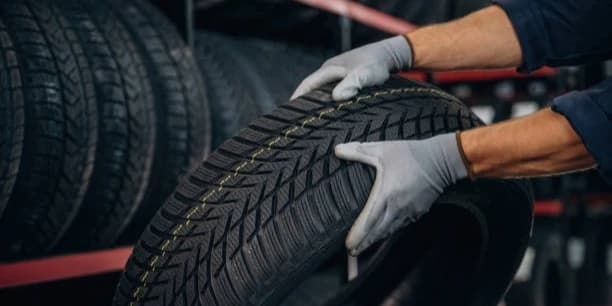
Every callout follows a clear technical sequence to restore vehicle roadworthiness. A professional tyre repair involves far more than pushing a rubber plug through a tread hole from the outside. Technicians must inspect the inner tyre casing and valve assembly, whilst setting the correct tyre pressure to ensure the vehicle remains stable.
A mobile callout begins with a thorough scene safety check before any tools touch the wheel. Technicians position their service van to shield the stranded car from passing traffic. Hazard beacons alert other motorists while wheel chocks prevent unexpected rolling on uneven ground.
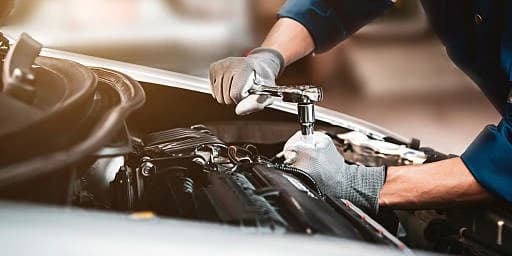
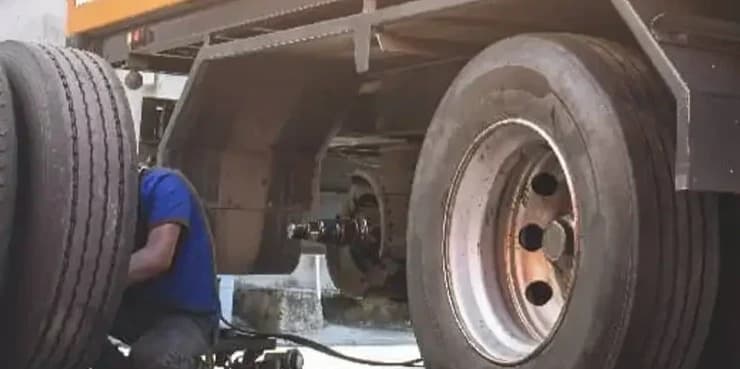
Lifting a vehicle at the roadside requires dedicated equipment suited to variable ground conditions. Technicians use commercial trolley jacks paired with axle stands to create a stable work platform. Once the car is securely raised and supported on axle stands, technicians remove the wheel nuts using cordless impact wrenches fitted with protective sleeves to prevent damage to the alloy wheel seats.
Can a punctured tyre actually be repaired safely? UK tyre repair standards follow the strict British Standard BS AU 159 regulations. These rules dictate whether a casing can return to service or must be scrapped. The technician removes the wheel completely to inspect both the exterior tread and the hidden inner liner.
A safe tyre repair must meet clear rules:
Technicians must reject tyres with shoulder damage, as this area experiences continuous cyclic flexing and high stress during cornering that prevents repair patches from bonding reliably. If a tyre fails these safety checks, the mobile van carries replacement stock so drivers can arrange mobile tyre fitting in Preston without any delay.
A permanent puncture repair needs specialist kit. Inside the van, the technician deflates the casing and unseats the bead—the reinforced steel-wire edge sealing the tyre to the rim flange—before demounting the tyre on a machine to gain full access to the internal air chamber.
The technician cleans the inner liner around the puncture using a specialised pre-buff chemical cleaner. A low-speed pneumatic drill then scours the inner liner to create an adhesive surface. The puncture channel itself is cleared with a diamond rasp to match the exact diameter of the repair stem.
A combination plug-patch unit seals the hole from the inside out. The rubber stem fills the channel to block water from reaching the steel belts, while the vulcanised patch bonds permanently to the inner liner. Once the technician rolls the patch flat with a stitching wheel, the repair forms a durable seal that handles high motorway speeds.
Correct tyre pressure calibration is essential once the tyre is remounted to the wheel rim. Driving on incorrect air levels causes severe handling problems and alters the tyre contact patch, which is the actual area of rubber touching the asphalt. Technicians always consult the vehicle tyre placard on the door pillar or the vehicle handbook to find the correct figures.
The table below outlines how air pressure mistakes alter tyre performance and safety:
|
Tyre Pressure Status |
Performance & Handling Impact |
Safety & Wear Risks |
|
Under-inflation |
Sluggish steering response, increased rolling resistance, compromised fuel economy |
Severe heat build-up, rapid shoulder wear, internal casing fatigue, blowout risk |
|
Correct Calibration |
Optimum grip, balanced cornering, maximum efficiency |
Even tread wear, designed tyre lifespan, optimum braking distance |
|
Over-inflation |
Harsh ride quality, reduced tyre contact patch, decreased wet traction |
Accelerated centre tread wear, increased vulnerability to impact damage and pothole bulges |
Setting the exact pressure in bar or PSI keeps the tyre at the right working temperature. When rubber operates too hot due to low pressure, internal bonding agents degrade. Mobile specialists use calibrated workshop pressure gauges to verify each wheel, ensuring every tyre meets the correct cold pressure before handing the keys back.
A full callout tyre repair ends with dynamic wheel balancing inside the mobile service van. The technician mounts the wheel assembly onto a computerised spin balancer. This diagnostic machine finds tiny weight discrepancies across the rim circumference.
The technician taps clip-on or adhesive wheel weights to the inner rim edges to counter heavy spots. Proper balancing stops steering wheel shudder at higher speeds and protects suspension bushes from vibration wear. Once balanced, the technician refits the wheel to the vehicle hub.
The technician uses a calibrated torque wrench set to the manufacturer's exact specification to tighten the wheel bolts in a diagonal sequence. Hand torquing prevents warped brake discs and guarantees that wheels stay firmly attached. A final soap spray test over the tyre valve confirms that no air leaks remain around the core. Motorists can book a callout tyre repair around Preston to resolve these tyre failures without leaving home.
A professional callout tyre service delivers workshop-grade repairs straight to a stranded vehicle. Knowing how puncture checks, vulcanised patches, and correct pressures work helps drivers handle sudden breakdowns. Regular checks on valve caps and weekly tyre pressure inspections will further reduce the risk of future roadside tyre trouble.
For rapid roadside assistance and expert tyre care, contact titaniumtyres.co.uk to arrange reliable callout tyre repair today.
Most tyre manufacturers advise against repairing run-flat tyres after pressure loss. When driven deflated, the reinforced sidewalls bear the vehicle weight, which hides internal structure damage. Technicians generally replace run-flat tyres rather than risk patching weakened rubber.
A standard plug-patch puncture repair takes roughly thirty to forty minutes from arrival. During this time, the technician removes the wheel, demounts the tyre, applies the internal combination repair, balances the assembly, and torques the bolts to specification.
No, driving on a slow puncture risks severe internal tyre carcass damage. As air leaks out, the sidewall flexes and rubs internal cords together. This turns the inner liner into loose rubber dust. That hidden harm ruins the tyre beyond repair. When internal degradation ruins the casing, drivers must arrange mobile tyre fitting for a safe on-site replacement.

That dreaded dashboard tyre warning rarely comes at a convenient time. A soft tyre may just need air
12 November 2026
Why do so many motorists view vehicle maintenance as an optional cost instead of an essential safety
2 November 2026
Choosing the right mobile tyre fitting service in Newcastle and Stafford can save time, reduce stres
31 October 2026
Be the first to share your thoughts
No comments yet. Be the first to comment!
Share your thoughts and join the discussion below.