Friday, November 20, 2026

Friday, November 20, 2026
* All product/brand names, logos, and trademarks are property of their respective owners.
That dreaded dashboard tyre warning rarely comes at a convenient time. A soft tyre may just need air from a pump. Losing air all the time often points to hidden damage.
Learn the difference between low air and deep tyre damage. This keeps drivers safer and can prevent unnecessary costs. For motorists relying on their cars daily, checking car tyres in Gloucester helps identify failing tread before it creates a problem.
Tyre wear starts quietly. Rubber hardens as it ages, and exposure to heat, sunlight and ozone can speed up deterioration. Look between the tread blocks. Tiny cracks spreading through the grooves can indicate ageing or damage.
Steering changes can also provide clues. Vibration may point to uneven wear, wheel imbalance or another mechanical issue. A proper inspection can identify the cause before further tyre damage develops.
Braking provides another warning. Shallow grooves have less capacity to clear standing water. Premium options such as Bridgestone tyres can offer strong performance, but every tyre still needs regular checks.
Certain warning signs mean replacement should not be delayed. When checking car tyres, motorists should look for damage that makes a tyre unsafe or unsuitable for continued use.
Check these four urgent replacement triggers:
The UK legal minimum is 1.6mm across the central three-quarters of the tread and around its complete circumference. A 20p coin provides a quick check, but a tread-depth gauge gives a more precise reading. New car tyres may be needed before the legal limit is reached because wet-road performance can decline as tread wears.
A bulge on the tyre sidewall can indicate internal structural damage. This can follow a severe impact with a pothole or kerb. A damaged sidewall generally means replacement rather than repair.
Needing air repeatedly can point to a puncture, valve problem or bead leak. An underinflated tyre also generates more heat and can suffer further damage. A professional inspection can establish whether repair or replacement is appropriate.
Daily routes shape how quickly tyres wear. Stop-start town driving can increase shoulder wear, especially during frequent low-speed turns. Rough surfaces and kerbs can also create cuts or scuffs.
Rural roads bring different risks. Sharp stones, rough verges and potholes can damage tread and sidewalls. Cold weather can also affect pressure and handling. Understanding local driving patterns helps motorists choose suitable car tyres in Gloucester.
The table below outlines common route hazards and useful inspection points:
| Driving Route Type | Main Tyre Stress | Recommended Inspection Timing |
|---|---|---|
| Urban Stop-Start Commutes | Shoulder wear and kerb scuffs | Check regularly |
| Rural Lanes and Verges | Cuts, impacts and rough surfaces | Check after harsh routes |
| Dual-Carriageway Driving | Heat and sustained high-speed wear | Check pressure and tread regularly |
Replacement should not be based on the calendar alone. Tyre condition, tread depth, damage and pressure all matter. Drivers should inspect car tyres before seasonal changes and before longer journeys.
Late autumn can be a useful time to inspect tyres before wetter and colder conditions arrive. However, there is no need to replace a safe tyre simply because winter is approaching.
Early inspection can also reduce the risk of an MOT problem. Tyres must meet legal requirements for tread, condition and pressure. Replacing worn rubber before an MOT can avoid a last-minute decision.
New tyres are commonly fitted in pairs across the same axle when appropriate. Matching tread and similar wear levels can help maintain balanced handling. Routine checks also help car tyres wear more evenly.
When comparing replacement options, vehicle specification and tyre size should come first. The correct load and speed ratings must also match the vehicle manufacturer's requirements.
A tyre that suits one vehicle may not suit another. This matters when selecting Bridgestone tyres in Gloucester, because the correct model and size depend on the vehicle and its intended use.
Regular pressure checks also extend beyond replacement day. Correct inflation helps car tyres maintain their intended contact with the road. Drivers should follow the vehicle manufacturer's recommended pressure rather than relying on a generic figure.
Tyres should also be inspected after severe pothole impacts. Regular inspection of car tyres is especially useful after hard kerb or pothole impacts. A visible cut, bulge or sudden pressure change can indicate damage that needs professional attention.
Good tyre care is not only about reaching the legal tread limit. Regular checks of car tyres should consider condition, age, damage and inflation. Early attention makes it easier to identify problems before they become urgent.
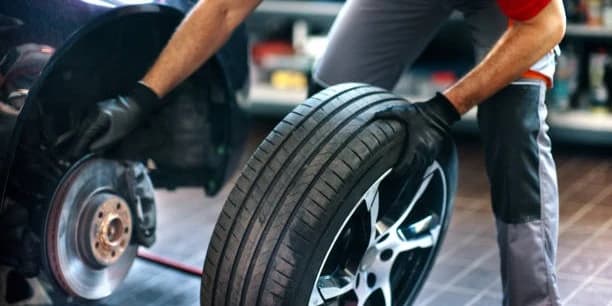
For motorists choosing car tyres, professional fitting should include correct inflation and wheel security checks. A final inspection helps confirm that the new tyres are seated correctly before the vehicle returns to the road.
If a vehicle develops vibration after a tyre change, wheel balance should also be checked. Uneven wheel balance can create vibration and affect driving comfort.
Yes. Colder air can reduce measured tyre pressure, so a pressure reading may fall as temperatures drop. Cold weather does not automatically indicate a puncture, but the pressure should still be checked and adjusted to the vehicle manufacturer's recommended setting.
Replacing tyres in pairs on the same axle can help maintain more even handling and braking characteristics. This is particularly relevant when selecting car tyres after one tyre has suffered damage. However, the correct approach depends on tyre condition, vehicle requirements and the difference in tread depth between the tyres. The replacement Bridgestone tyres should also match the required vehicle specification.
It can. Driving with insufficient pressure allows the tyre to flex excessively and increases the risk of internal tyre damage. Severe underinflation can also allow impacts to reach the wheel, potentially causing damage.
Tyres are the only part of the vehicle that directly contacts the road. Catching small flaws early can help prevent more expensive problems.
Pressure should be checked when tyres are cold. Tread, sidewalls and valves should also be inspected regularly. Replacing damaged or worn tyres at the right time supports safe handling and braking.
Book a car check today at Tyre Works Gloucester to arrange professional tyre advice and fitting.

When a sudden loss of tyre pressure leaves motorists stranded on driveways, car parks, or dual carri
16 November 2026
Why do so many motorists view vehicle maintenance as an optional cost instead of an essential safety
2 November 2026
Choosing the right mobile tyre fitting service in Newcastle and Stafford can save time, reduce stres
31 October 2026
Be the first to share your thoughts
No comments yet. Be the first to comment!
Share your thoughts and join the discussion below.