Saturday, October 3, 2026
Saturday, October 3, 2026
* All product/brand names, logos, and trademarks are property of their respective owners.
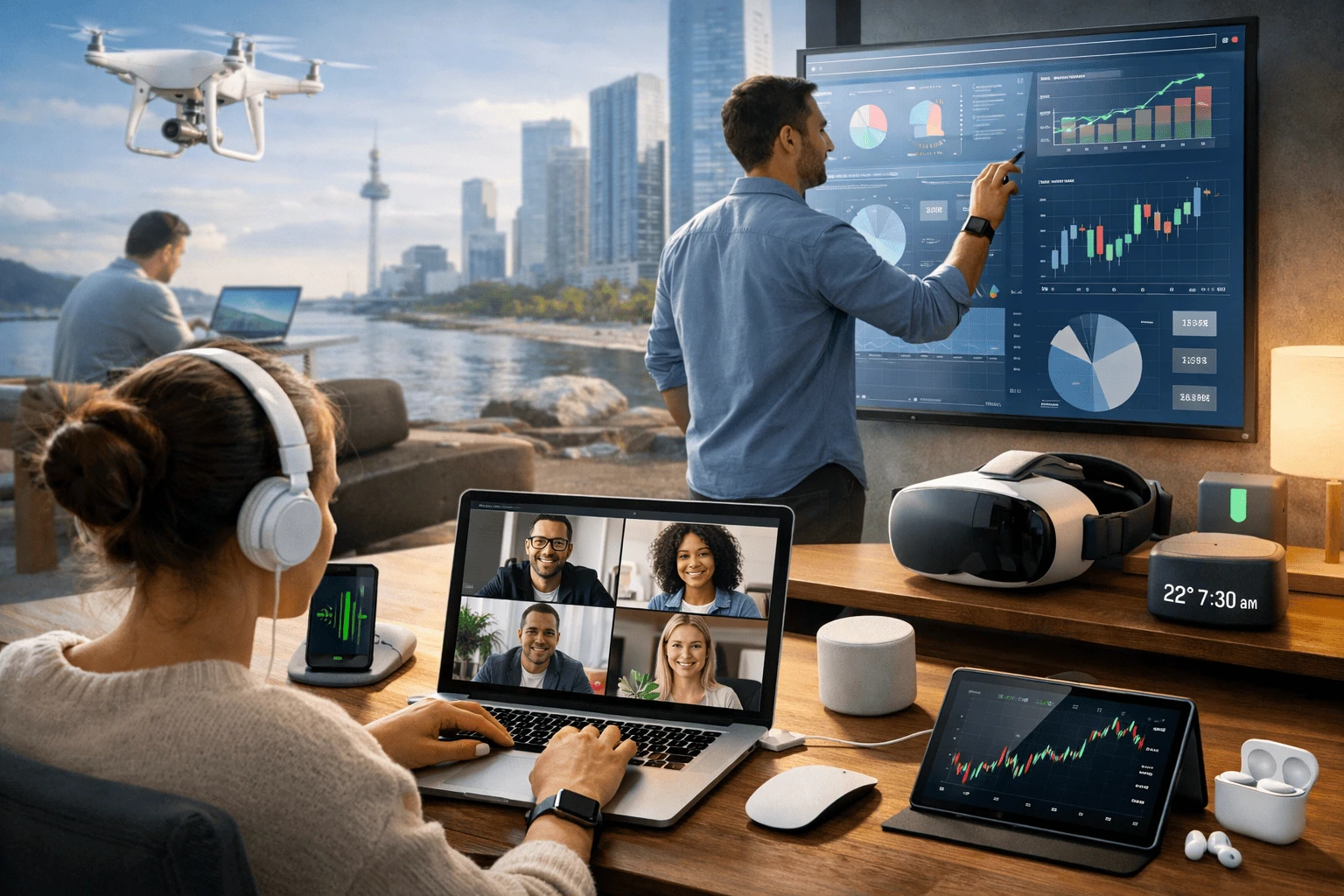
The way people work has changed a lot in the last few years, and digital lifestyle trends are a big reason why. Work is no longer tied to one office, one routine, or even one city. Today, many people answer emails from home, join meetings from their phones, manage tasks through online tools, and even build full careers through freelance platforms or digital businesses. What once felt like a temporary shift has now become part of everyday working life.
One of the biggest reasons behind this change is the rise of digital habits. People now rely on cloud tools, video calls, messaging apps, AI assistants, and mobile devices to get work done faster and more flexibly. Remote work trends and hybrid work culture have made it easier for employees and business owners to stay connected without being in the same place. At the same time, the digital lifestyle has also changed expectations. Many workers now want more freedom, better work-life balance, and careers that fit around their lives instead of controlling them.
This shift is happening around the world. In countries like Pakistan, freelancing, online earning, and digital skills are opening new career paths for young professionals. In the UK and other developed markets, hybrid work and flexible work culture are becoming normal in many industries. On top of that, AI in the workplace is making daily tasks quicker, from writing and research to planning and communication.
Understanding these digital lifestyle trends matters because they are not just changing where people work. They are changing how people think about work itself. In this blog, we will explore the major trends shaping the future of work and what they mean for professionals, freelancers, and businesses trying to keep up in a fast-moving digital world.
One of the biggest digital lifestyle trends changing how people work is the move toward flexibility. In the past, most people followed a fixed routine. They traveled to the office, worked set hours, and completed tasks in a traditional workplace. Now, that model is no longer the only option. Remote work trends and hybrid work culture have given people more freedom in how, when, and where they work. This shift is not only changing company policies, but also changing people’s daily habits, priorities, and career choices.
For many workers, flexibility has become just as important as salary. People want jobs that fit into their lives instead of forcing their lives to fit around work. This is especially true for parents, freelancers, students, and young professionals who value independence and balance. As digital tools become more advanced, flexible work is becoming easier to manage and more accepted across industries.
Remote work is no longer seen as a rare benefit. It has become a normal part of the modern workplace. Many companies now allow employees to work from home full-time or split their week between home and office. This hybrid work culture gives workers more convenience while helping businesses reduce office costs and reach talent from different cities or even different countries.
This trend has also changed how people define productivity. Instead of measuring work by office hours, many employers now focus more on results and output. A person can attend meetings online, submit projects through cloud platforms, and stay connected through messaging apps without sitting in a physical office all day. This has opened the door to a more performance-based way of working.
Another major shift is the rise of the digital nomad lifestyle. Some professionals are no longer tied to one city or one country. They work online while traveling, living temporarily in different places, or simply choosing environments that suit their lifestyle better. This has become possible because so many jobs now depend on laptops, internet access, and digital collaboration tools.
Freelancers, marketers, consultants, writers, software developers, and online business owners are among the people most likely to follow this path. Instead of waiting for traditional job opportunities in their local area, they can offer services globally. This creates more freedom and often more earning potential as well.
The digital nomad trend also reflects a deeper lifestyle change. Many people now want careers that support personal freedom, travel, and independence. Work is becoming more mobile, and this is changing how people think about success.
Flexible schedules are also making a big difference in employee wellbeing. Not everyone works best from 9 to 5. Some people are more productive early in the morning, while others focus better later in the day. Digital work setups allow many professionals to build routines that match their energy, family responsibilities, and personal goals.
This often leads to better work-life balance. Workers can spend more time with family, avoid long commutes, and manage their day with less stress. When used well, flexibility can improve both happiness and performance. People feel more trusted, and that trust often leads to stronger results.
At the same time, flexible work also requires discipline. Without clear boundaries, some people may overwork or struggle to separate personal time from work time. That is why digital lifestyle trends are not only about freedom. They are also about learning how to create healthy routines in a more connected world.
Technology is at the center of today’s work culture. It is not just supporting work anymore. It is actively changing how work is planned, completed, shared, and improved. From AI tools to digital collaboration platforms, technology is helping people work faster, communicate better, and build careers in ways that were difficult a few years ago. This is one of the strongest digital lifestyle trends shaping the future of work.
Modern professionals now depend on digital systems almost every day. Teams manage projects online, hold virtual meetings, store files in the cloud, and use smart tools to automate repetitive tasks. This saves time and makes work more flexible, especially for remote teams and freelancers. In both Pakistan and the UK, businesses are becoming more open to digital transformation because it helps them stay competitive in a fast-changing market.
AI in the workplace is becoming more common across many industries. It is helping people write emails, organize ideas, analyze data, answer customer questions, and even generate reports. Instead of replacing every job, AI is often helping workers complete tasks more quickly and with less effort. This means professionals can spend more time on creative thinking, strategy, and decision-making.
Still, this trend also brings a challenge. Workers now need to understand how to use AI wisely. Learning digital skills is becoming just as important as traditional job experience.
Another major trend is the rise of digital collaboration tools. Apps like Zoom, Slack, Microsoft Teams, Trello, Asana, and Notion have changed how teams communicate and stay organized. These tools make it possible for employees in different cities or countries to work together in real time.
These tools also improve transparency. Everyone can see deadlines, tasks, updates, and feedback in one place. That helps reduce confusion and keeps teams aligned, even when they are not physically together.
Technology has also made it easier for people to earn independently. More professionals are building careers through freelancing, online services, content creation, coaching, and digital products. This creator and freelance economy is growing because people now have direct access to global platforms and audiences.
For many people, this is not only about income. It is also about control, creativity, and freedom. Technology is giving workers more ways to shape careers around their strengths and interests, and that is changing the modern workplace in a big way.
Digital lifestyle trends are clearly transforming the way people work. From remote work and flexible schedules to AI-powered tools and global freelancing opportunities, the traditional idea of a fixed workplace is quickly evolving. What once required a physical office, long commutes, and strict schedules can now often be done from a laptop, a home workspace, or even while traveling.
One of the most important changes is the shift toward flexibility. Many professionals today prefer hybrid work models, freelance careers, or digital businesses that allow them to control their time and environment. This new approach to work is helping people achieve better work-life balance while also encouraging companies to rethink how productivity is measured. Instead of focusing only on hours worked, many organizations are now focusing on outcomes and results.
At the same time, adapting to these changes requires continuous learning. Digital skills, online communication abilities, and the willingness to embrace new tools are becoming essential for staying competitive in today’s job market. Professionals who stay curious and open to change are more likely to succeed in this evolving digital landscape.
The future of work will likely continue moving toward flexibility, mobility, and technology-driven productivity. By understanding these digital lifestyle trends and learning how to use them effectively, individuals and businesses can stay ahead and build careers that are not only productive but also more balanced and fulfilling.

Hi, I’m Ahmed, a professional content writer and SEO specialist. I help businesses, brands, and websites create clear, engaging, and search-friendly content that attracts the right audience and drives results.
With a strong understanding of SEO, keyword research, blog writing, website content, and content strategy, I craft content that is not only well-written but also optimized to perform on search engines. My goal is to turn ideas into powerful words that build trust, improve visibility, and support business growth.
Whether you need blog posts, website copy, product descriptions, SEO articles, or content optimization, I can help create content that connects with readers and supports your online goals.
The real reason why personalization fails in marketing isn’t that marketers lack ideas. It usu
15 September 2026
The success of any event depends on more than just a great venue and a well-planned schedule. Behind
3 August 2026
If you examine the current professional landscape, you will notice a stark, fascinating division wit
3 July 2026
Be the first to share your thoughts
No comments yet. Be the first to comment!
Share your thoughts and join the discussion below.