Saturday, October 3, 2026

Saturday, October 3, 2026
* All product/brand names, logos, and trademarks are property of their respective owners.
Cities are growing faster than ever, and with that growth comes bigger challenges. Urban areas are under pressure from rising pollution, heavy energy use, traffic congestion, shrinking green spaces, and the growing effects of climate change. For many years, traditional construction focused mostly on speed, cost, and expansion. But now, that approach is no longer enough. Modern cities need buildings and infrastructure that do more than just fill space. They need to save energy, reduce waste, improve public health, and support long-term environmental goals.
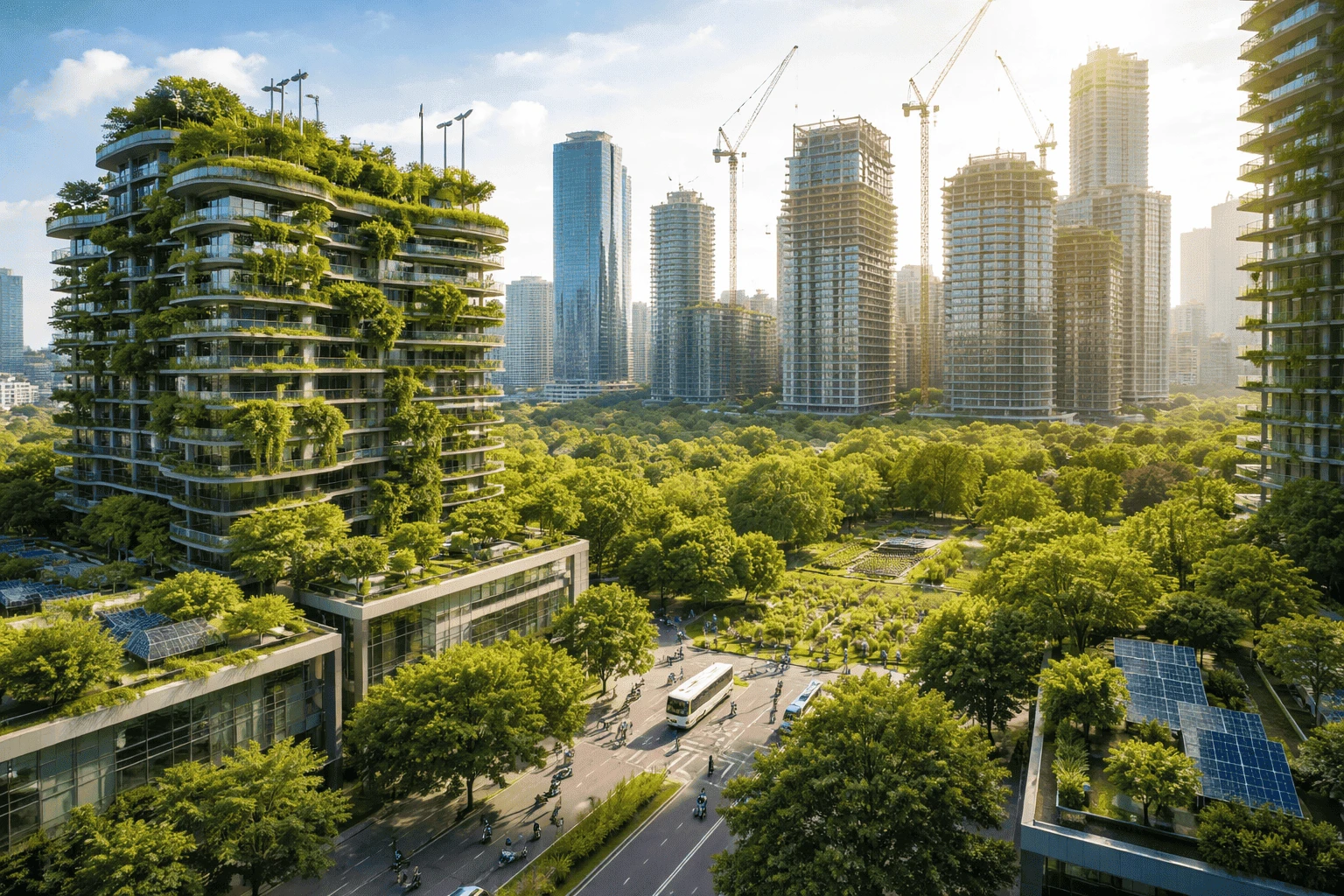
This is where green construction is making a real difference. Green construction is changing the way cities are planned, built, and maintained. It focuses on using sustainable materials, energy-efficient systems, smarter designs, and environmentally responsible building methods. Instead of creating structures that consume too many resources, green buildings are designed to work in harmony with the environment while still meeting the needs of growing urban populations.
What makes this shift so important is that it goes beyond individual buildings. Green construction is helping reshape entire neighborhoods and cities. From eco-friendly housing projects to smart commercial spaces and climate-resilient public infrastructure, this approach is becoming a key part of sustainable urban development. It offers benefits for everyone: lower energy bills, cleaner air, healthier living conditions, and stronger cities that are better prepared for the future.
As governments, developers, and communities look for better ways to build, green construction is proving that urban development can be both practical and sustainable. It is no longer just a trend. It is becoming the foundation of how modern cities grow.
Green construction is a modern approach to building that focuses on sustainability, efficiency, and environmental responsibility. Unlike traditional construction, which often prioritizes cost and speed, green construction considers the entire life cycle of a building—from design and material selection to construction, operation, and maintenance.
The goal is simple: create buildings that use fewer natural resources, produce less waste, and provide healthier living and working environments. As cities continue to expand, this approach is becoming essential for sustainable urban development. Governments, developers, and urban planners are now realizing that building smarter today can prevent environmental and economic problems in the future.
Green construction also supports broader goals such as reducing carbon emissions, improving energy efficiency, and creating more livable cities. Let’s explore some of the key elements that make this approach so important.
One of the most important aspects of green construction is the use of sustainable building materials. Traditional construction materials like concrete and steel can have a large environmental footprint because they require a lot of energy to produce. Green construction focuses on alternatives that are renewable, recycled, or produced with lower environmental impact.
For example, materials such as recycled steel, bamboo, reclaimed wood, and low-carbon concrete are becoming increasingly popular in sustainable construction projects. These materials reduce waste and minimize the need for new raw resources. In addition, many green buildings incorporate locally sourced materials, which helps reduce transportation emissions.
Eco-friendly design also plays a big role. Architects now design buildings to maximize natural light, improve ventilation, and reduce the need for artificial heating and cooling systems. Features like green roofs, rainwater harvesting systems, and natural insulation help buildings operate more efficiently while reducing their impact on the environment.
This design philosophy not only protects the environment but also creates more comfortable and healthier spaces for people to live and work in.
Another key feature of green construction is energy efficiency. Buildings are responsible for a significant portion of global energy consumption, especially in large urban areas. By improving energy performance, cities can significantly reduce their overall carbon footprint.
Energy-efficient buildings use advanced technologies such as smart lighting systems, high-performance insulation, energy-efficient windows, and automated climate control systems. These technologies help reduce the amount of energy required to operate a building.
Many modern projects are also moving toward net-zero buildings. A net-zero building produces as much energy as it consumes, usually by combining energy efficiency with renewable energy sources like solar panels, wind power, or geothermal systems. This means the building can operate with minimal environmental impact.
Construction activities generate a huge amount of waste worldwide. Traditional building projects often discard large quantities of materials such as concrete, wood, and metal. Green construction aims to minimize this waste through smarter planning and recycling practices.
Developers are increasingly using modular construction and prefabricated components, which are manufactured in controlled environments and then assembled on-site. This method reduces material waste, speeds up construction time, and improves overall efficiency.
Reducing carbon emissions is another major priority. Construction companies are adopting low-emission machinery, electric construction equipment, and low-carbon building materials to reduce the environmental impact of building activities.
These improvements are helping cities move toward more sustainable and environmentally responsible development, which is essential as urban populations continue to grow.
Green construction is not just improving individual buildings—it is reshaping the way entire cities are designed and developed. As urban populations continue to grow, cities must find smarter ways to manage resources, reduce pollution, and create healthier environments for residents. Green construction provides solutions that allow cities to expand while still protecting the environment.
Urban planners are now integrating sustainability into city development strategies. From residential buildings and office complexes to public infrastructure and transportation systems, green construction is helping cities become more efficient, resilient, and livable. By combining eco-friendly building methods with modern technology, cities can meet the needs of growing populations without harming the planet.
Let’s look at some of the key ways green construction is transforming urban development.
One of the most important benefits of green construction is its ability to create climate-resilient cities. Urban areas are increasingly facing challenges such as heatwaves, flooding, air pollution, and extreme weather events. Sustainable construction techniques help cities prepare for these challenges while protecting both infrastructure and communities.
For example, green buildings often include better insulation, improved ventilation systems, and energy-efficient heating and cooling technologies. These features help maintain comfortable indoor temperatures while reducing energy consumption. Green roofs and urban gardens are also becoming popular in modern city planning. They help absorb rainwater, reduce urban heat, and improve air quality.
Cities that invest in green construction also tend to include more green spaces, pedestrian-friendly infrastructure, and environmentally responsible transportation systems. These improvements contribute to healthier lifestyles and stronger communities.
Technology is playing a huge role in making green construction more effective. Many modern cities are combining sustainable building practices with smart city technologies to create highly efficient urban environments.
Artificial intelligence is also being used to analyze energy patterns and improve building performance. AI-powered systems can detect inefficiencies and suggest adjustments that reduce energy consumption. This makes buildings not only greener but also more cost-effective to operate.
In addition, technologies such as 3D printing, digital modeling, and smart construction equipment are helping builders design and construct sustainable buildings more efficiently. These innovations reduce construction waste, lower project costs, and speed up the development process.
As cities continue to adopt these technologies, green construction is becoming a key component of future-ready smart cities.
Many cities around the world are already leading the way in sustainable urban development. These cities demonstrate how green construction can transform urban environments while improving quality of life.
For instance, Copenhagen has become a global leader in sustainable city planning. The city has invested heavily in energy-efficient buildings, renewable energy systems, and bicycle-friendly infrastructure. Its goal is to become carbon neutral by 2025, showing how green construction can support ambitious climate targets.
Singapore is another great example. The city-state has implemented strict green building standards and promotes vertical gardens, green rooftops, and energy-efficient architecture. Many buildings in Singapore are designed to integrate nature directly into urban spaces.
London has also made strong progress in sustainable construction. Many new developments now follow strict environmental standards, including energy-efficient designs and reduced carbon emissions. Projects like green office complexes and eco-friendly residential buildings are becoming increasingly common.
These examples show that green construction is not limited to one region—it is becoming a global movement that is reshaping the future of cities.
Green construction is quickly becoming one of the most important forces shaping the future of urban development. As cities continue to expand and populations grow, traditional construction methods are no longer enough to support sustainable growth. Urban areas need smarter solutions that reduce environmental impact while still providing safe, efficient, and comfortable spaces for people to live and work. Green construction offers exactly that.
By focusing on sustainable building materials, energy-efficient designs, and environmentally responsible construction practices, cities can significantly reduce their carbon footprint. Buildings designed with green principles not only consume less energy but also produce less waste and support healthier environments for residents. Features like renewable energy systems, improved insulation, and natural ventilation help create buildings that are both efficient and comfortable.
Beyond economic benefits, green construction also improves the quality of life in cities. Sustainable buildings often provide better air quality, more natural lighting, and healthier indoor environments. When combined with green spaces, sustainable transportation systems, and smart city technologies, these buildings help create communities that are more livable and resilient.
Cities around the world—from London and Copenhagen to Singapore and emerging urban centers in developing countries—are already demonstrating how green construction can transform urban environments. These examples show that sustainable development is not just possible but essential for building cities that can thrive in the future.
As governments, architects, and developers continue to adopt sustainable practices, green construction will play an even bigger role in shaping modern cities. The transition toward environmentally responsible building is no longer just an option; it is a necessity for creating cleaner, healthier, and more sustainable urban spaces for future generations.

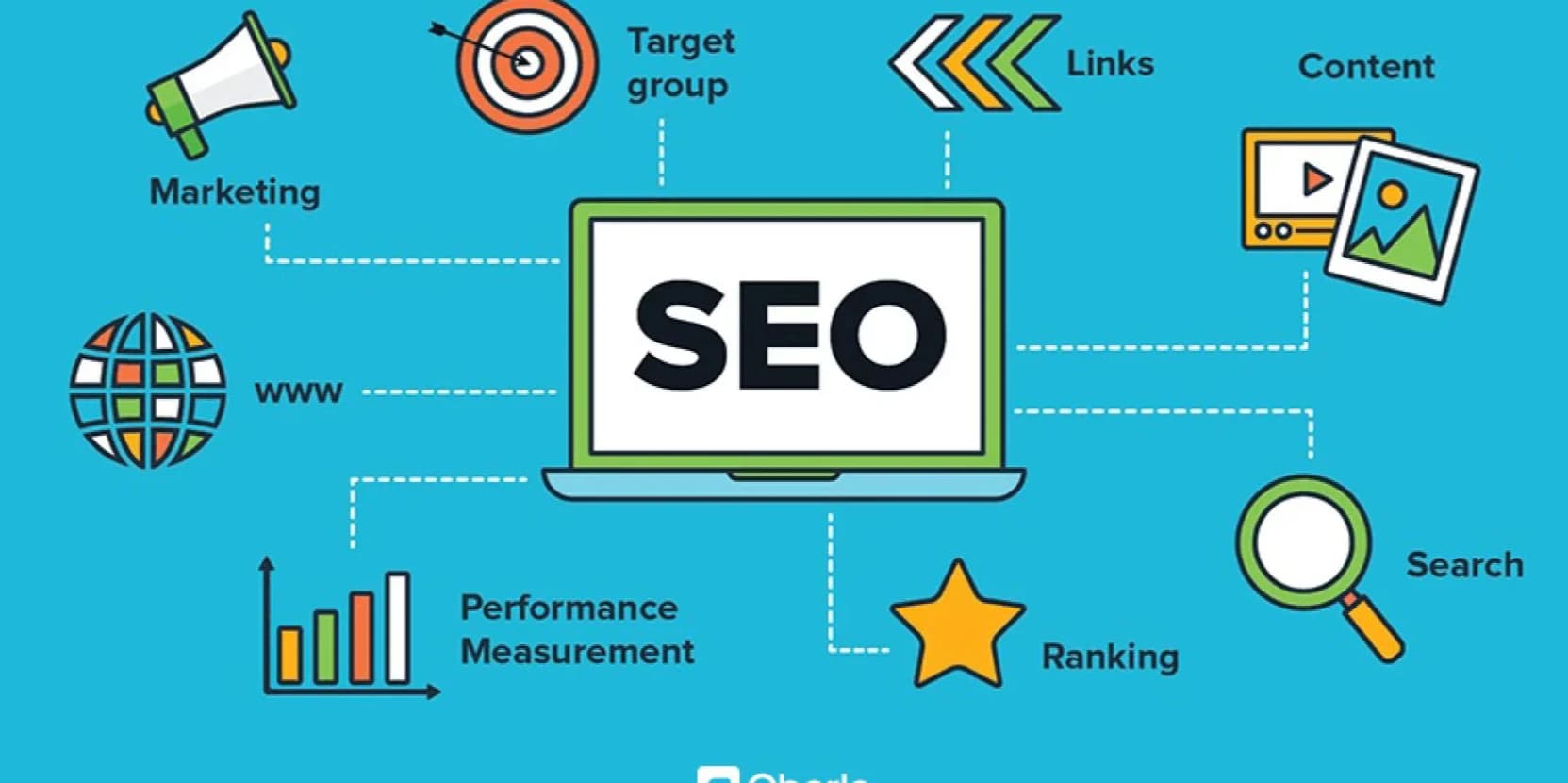
Hi, I’m Ahmed, a professional content writer and SEO specialist. I help businesses, brands, and websites create clear, engaging, and search-friendly content that attracts the right audience and drives results.
With a strong understanding of SEO, keyword research, blog writing, website content, and content strategy, I craft content that is not only well-written but also optimized to perform on search engines. My goal is to turn ideas into powerful words that build trust, improve visibility, and support business growth.
Whether you need blog posts, website copy, product descriptions, SEO articles, or content optimization, I can help create content that connects with readers and supports your online goals.
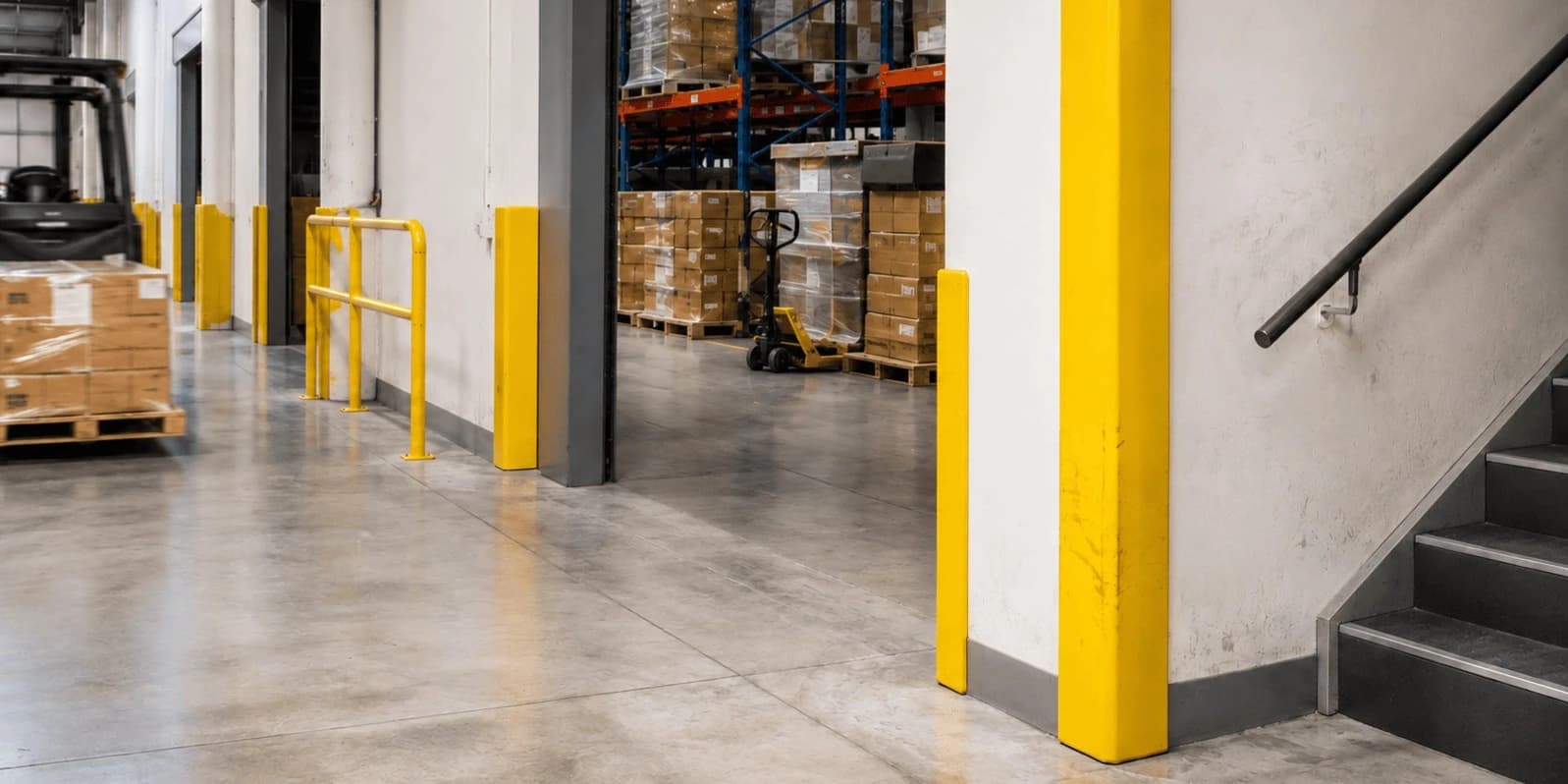
Corner damage is one of those problems that seems minor until it isn't. A dented plaster edge here,
29 August 2026
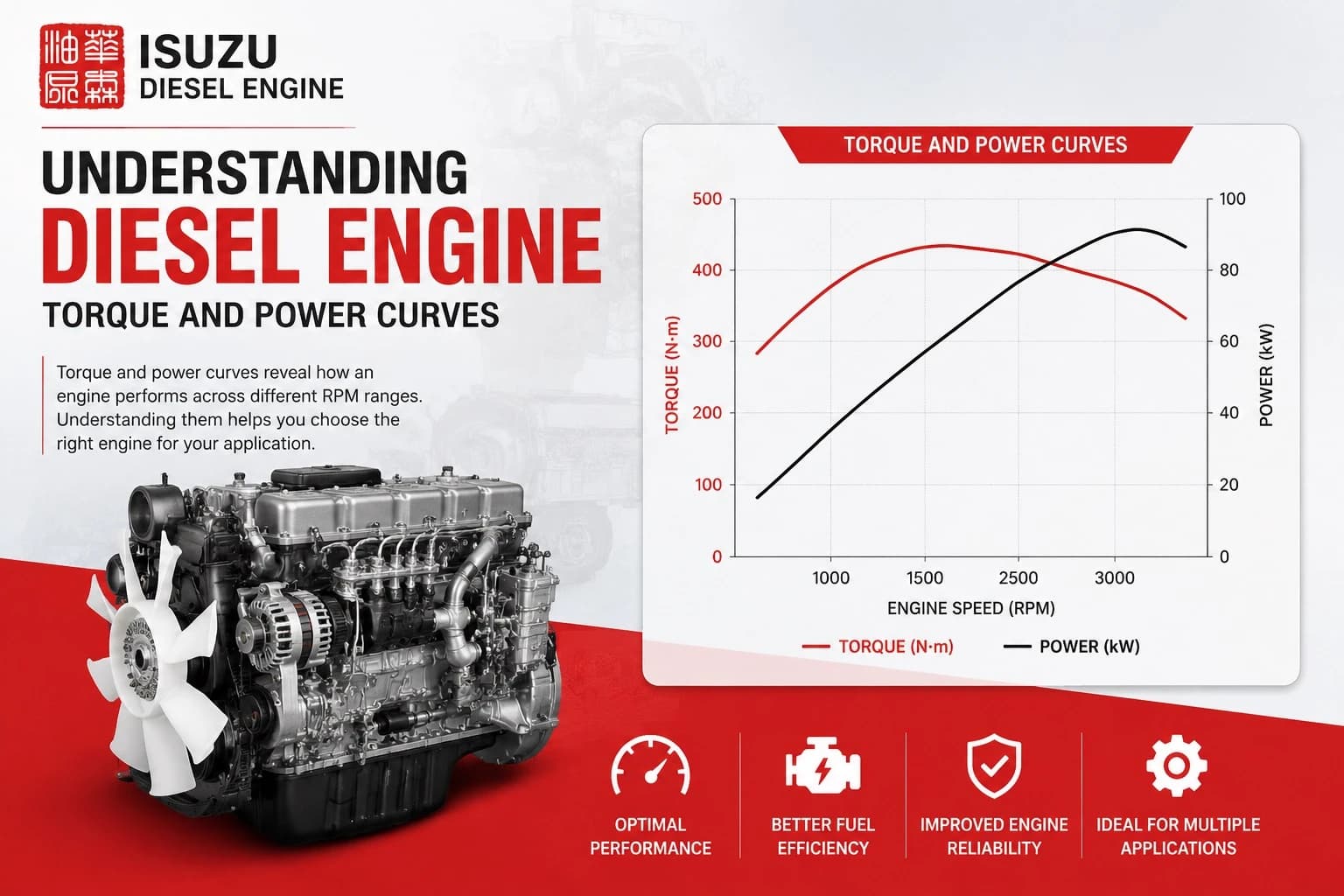
If you're purchasing, operating, or maintaining heavy equipment, you likely have heard phrases such
18 August 2026
Buying large quantities of SMT-equipped feeders is distinct from purchasing only a few spares. If yo
12 August 2026
Be the first to share your thoughts
No comments yet. Be the first to comment!
Share your thoughts and join the discussion below.