Saturday, October 3, 2026

Saturday, October 3, 2026
* All product/brand names, logos, and trademarks are property of their respective owners.
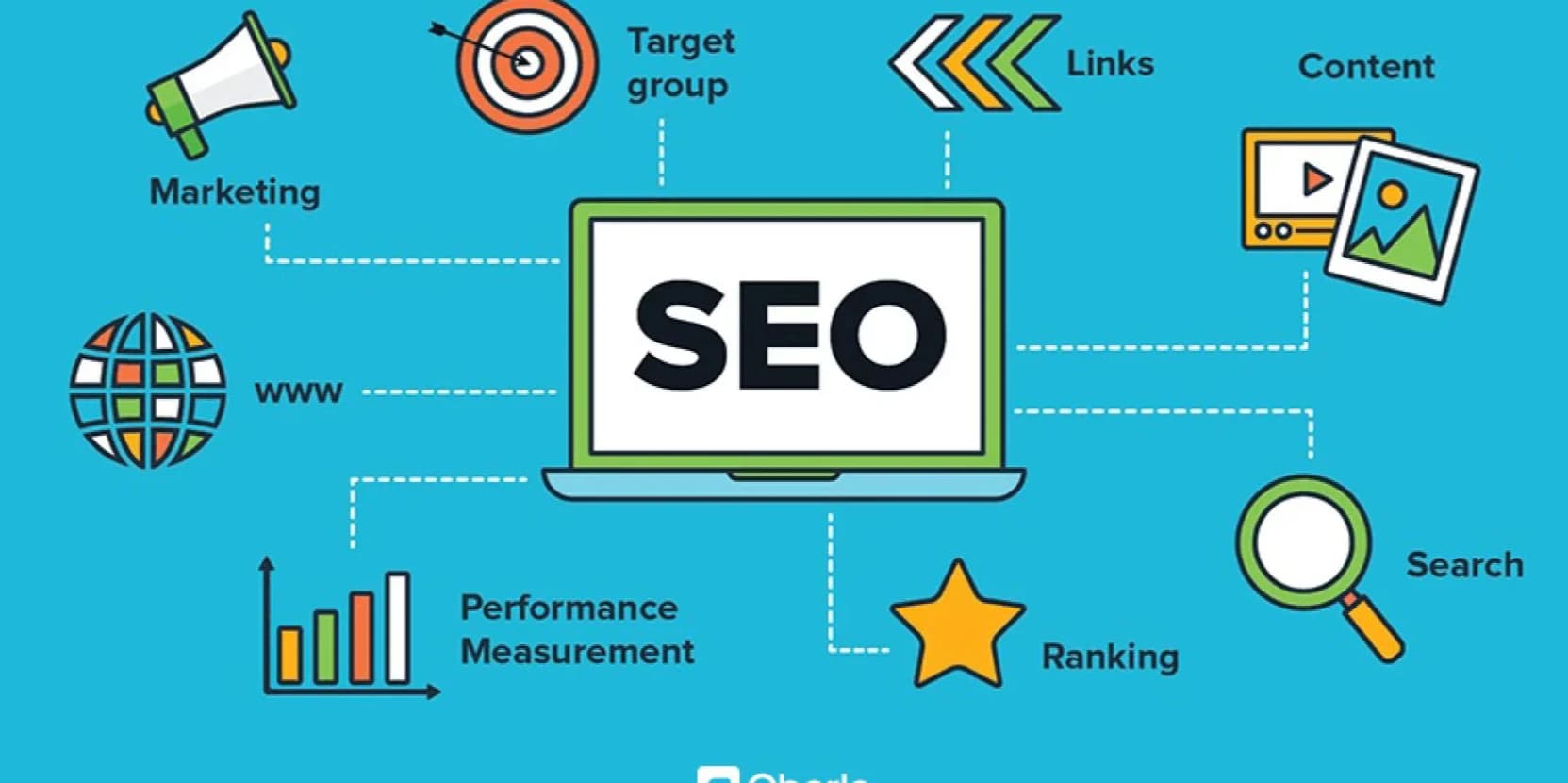
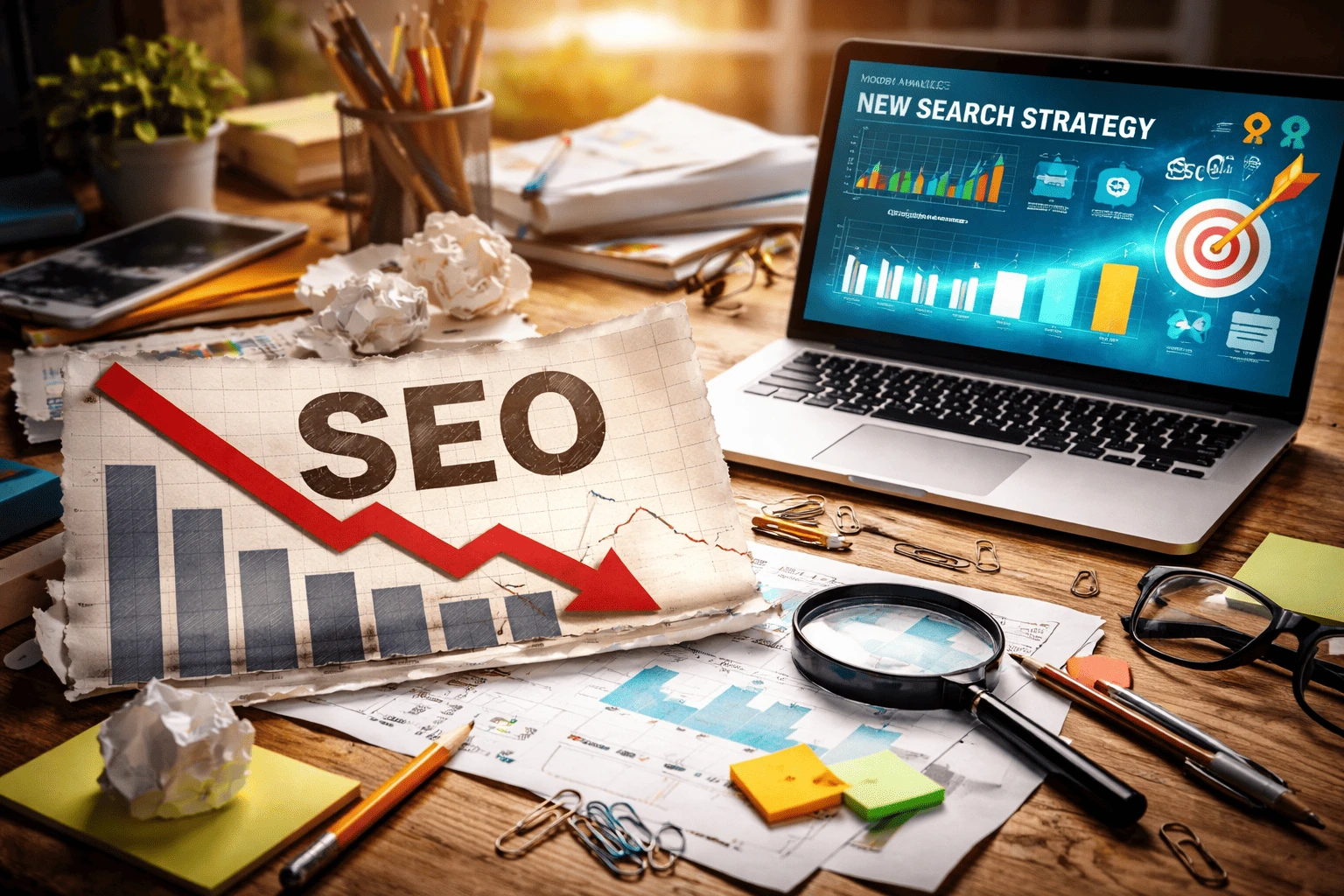
SEO used to be simple. Find the right keywords, add them to your content, build a few backlinks, and boom—you’re ranking on Google. But if you’ve been trying that lately, you’ve probably noticed something frustrating… it’s not working like it used to.
The truth is, traditional SEO is slowly losing its power. Websites that once ranked easily are now struggling to stay visible. Even worse, some pages rank on Google but still get little to no traffic. Sounds strange, right? That’s because the way people search—and how search engines respond—has completely changed.
Today, Google is smarter than ever. With AI-driven updates, semantic search, and features like zero-click results, the focus has shifted from keywords to intent, from rankings to real value. It’s no longer about tricking the algorithm—it’s about truly helping the user.
And here’s the big shift: SEO is no longer just about Google. Platforms like YouTube, TikTok, and even AI tools like ChatGPT are becoming search engines themselves. This means your strategy needs to evolve if you want to stay relevant.
In this blog, we’ll break down exactly why traditional SEO is failing in 2026—and more importantly, what’s replacing it so you can stay ahead of the curve.
Traditional SEO is not completely dead, but it is definitely losing the strength it once had. For years, bloggers and marketers followed a very predictable formula: pick one main keyword, repeat it several times, write a basic article, build backlinks, and wait for rankings. That approach worked well in the past because search engines were less advanced. They relied heavily on matching exact words on a page.
But today, search engines are much smarter. Google now tries to understand meaning, context, intent, and overall usefulness. That means old-school SEO tricks are no longer enough. In many cases, they can even hurt your content instead of helping it.
For bloggers, businesses, and freelancers, this shift can feel frustrating. You may be doing everything the “old SEO way” and still not seeing traffic. The reason is simple: the rules of visibility have changed.
One of the biggest problems with traditional SEO is its obsession with keywords. Earlier, writers would focus so much on exact-match keywords that the content started sounding unnatural. You would see the same phrase repeated again and again in headings, paragraphs, and image alt text.
That kind of writing does not work well anymore.
Modern search engines understand related phrases, synonyms, and topic relevance. So instead of only looking for one repeated keyword, Google tries to understand whether your content actually answers the user’s question. This is where semantic search has changed everything.
For example, a blog post about modern SEO does not need to repeat “future of SEO 2026” twenty times. It can also naturally include phrases like AI SEO optimization, search intent, content quality, and user behavior. That tells search engines your content covers the topic in a more complete and helpful way.
This is also better for readers. People do not want to read content that feels forced or robotic. They want clear answers, useful guidance, and a natural flow. So the shift is no longer about writing for bots first. It is about writing for humans in a way that search engines can still understand.
Another reason traditional SEO is failing is that Google keeps evolving. Major updates now focus more on content quality, user experience, and helpfulness than simple optimization tricks.
In the past, some websites ranked well just because they had strong backlinks or keyword-heavy pages. Now, Google’s systems are much better at judging whether the content is genuinely useful. Thin articles, low-value rewritten posts, and pages created only to rank are becoming easier to spot.
This is where AI is playing a huge role. Google uses systems that better understand search behavior and page quality. It tries to identify whether a piece of content matches real user intent. Does it solve the problem? Does it feel trustworthy? Does it show real experience? These questions matter much more now.
This shift has especially affected bloggers and small site owners. Many people still follow outdated checklists from years ago, while search engines have already moved forward. For example, publishing ten low-quality keyword articles is often far less effective than publishing two well-written, experience-based posts that truly help readers.
A freelancer in Pakistan, a startup in the UK, or a blogger in the US all face the same reality now: ranking is no longer just about optimization—it is about usefulness and trust.
One more major reason traditional SEO is struggling is the rise of zero-click searches. This means users often get their answers directly on the search results page without clicking any website.
They may see:
featured snippets
AI-generated summaries
knowledge panels
“People Also Ask” boxes
quick definitions or how-to answers
So even if your content technically ranks, it may not bring the same amount of traffic as before.
This is a huge change. In older SEO, ranking on page one often meant strong clicks and steady visitors. Now, that same ranking might bring much less traffic because Google answers part of the question before the user ever visits your site.
That does not mean SEO is useless. It means the goal has changed. Instead of only trying to rank, content creators now need to create material that is deeper, more trustworthy, and more valuable than the short answer shown in search results.
This is why traditional SEO is failing: it was built for an internet where ranking alone was enough. In 2026, visibility is more competitive, search behavior is more fragmented, and users expect faster, better, more human answers.
As traditional SEO loses its effectiveness, a new approach is taking its place—and it’s much smarter, more human-focused, and driven by real value. The goal is no longer just to rank on Google. Instead, it’s about being useful wherever people search, whether that’s Google, YouTube, TikTok, or even AI tools.
Let’s break down what this new era of SEO actually looks like.
The biggest shift in modern SEO is moving from keywords to intent. In the past, if someone searched “best laptops 2026,” you would try to include that exact keyword as many times as possible. Now, search engines try to understand why the user is searching. Are they comparing options? Looking for reviews? Ready to buy?
This is called search intent, and it has become one of the most important ranking factors.
AI-powered systems can now analyze content deeply. They look at how well your page answers the user’s question, not just whether it includes the right words. That’s why content that feels natural, helpful, and complete tends to perform better.
For example:
A blog that explains pros, cons, comparisons, and real experiences will rank better than a basic list stuffed with keywords
Content that answers follow-up questions (like FAQs) performs better in AI-driven results
This is also where tools like ChatGPT and Google’s AI search features come into play. They don’t just scan for keywords—they generate answers based on meaning and context.
So the new rule is simple:
👉 Don’t write for keywords. Write to fully solve a problem.
Another major shift is the focus on EEAT—Experience, Expertise, Authority, and Trust.
Google now prioritizes content that feels real and credible. This means:
Sharing personal insights or real-world examples
Writing from actual experience (not just rewriting others’ content)
Building trust through accurate, helpful, and clear information
For example, a blogger in Pakistan writing about freelance SEO has an advantage if they share real client experiences, pricing insights, and challenges. That kind of content feels authentic—and search engines recognize that.
User experience also plays a huge role. This includes:
Easy-to-read formatting
Clear headings and structure
Fast-loading pages
Mobile-friendly design
Even if your content is good, a poor experience can push users away—and that signals to search engines that your page is not helpful.
In short, content quality is no longer optional—it’s everything.
One of the biggest mistakes people still make is thinking SEO = Google only.
That’s no longer true.
Today, people search everywhere:
YouTube for tutorials and reviews
TikTok for quick tips and trends
Pinterest for ideas and inspiration
AI tools for instant answers
This means your content strategy should expand beyond just blog posts.
For example:
Turn your blog into a YouTube video
Break key points into short TikTok clips
Create Pinterest pins linking back to your article
In Pakistan and globally, this trend is growing fast. Many users now prefer watching or interacting with content instead of reading long articles.
By being present on multiple platforms, you increase your chances of being discovered—and you’re not relying only on Google traffic anymore.
Overall, what’s replacing traditional SEO is not a single technique—it’s a complete mindset shift.
From:
Keywords → Intent
Search engines → Users
Single platform → Multi-platform presence
This new approach may require more effort, but it is also much more sustainable. Instead of chasing algorithms, you’re building content that truly helps people—and that’s what modern search engines reward.
SEO is not dead—but the way we used to do it definitely is.
For years, traditional SEO focused on keywords, backlinks, and ranking tricks. And while those elements still have some value, they are no longer enough on their own. Search engines have evolved, user behavior has changed, and AI is now playing a central role in how content is discovered and ranked.
What we are seeing in 2026 is a clear shift: from manipulating algorithms to genuinely helping users.
If your strategy is still based on stuffing keywords, publishing low-value content, or chasing rankings alone, you will continue to struggle. But if you adapt to the new approach—focusing on search intent, content quality, user experience, and multi-platform visibility—you will not only survive but grow.
The opportunity here is actually bigger than before. Why? Because many people are still stuck in the old way of doing SEO. This gives you a chance to stand out by doing things differently—and better.
Start small:
Focus on solving real problems through your content
Share your own experience and insights
Optimize for humans first, then search engines
Expand your presence beyond just Google
Remember, the future of SEO belongs to those who adapt early and think long-term.
👉 So don’t wait for your traffic to drop before making changes. Start evolving your strategy today—and position yourself ahead of the competition.

Hi, I’m Ahmed, a professional content writer and SEO specialist. I help businesses, brands, and websites create clear, engaging, and search-friendly content that attracts the right audience and drives results.
With a strong understanding of SEO, keyword research, blog writing, website content, and content strategy, I craft content that is not only well-written but also optimized to perform on search engines. My goal is to turn ideas into powerful words that build trust, improve visibility, and support business growth.
Whether you need blog posts, website copy, product descriptions, SEO articles, or content optimization, I can help create content that connects with readers and supports your online goals.
The real reason why personalization fails in marketing isn’t that marketers lack ideas. It usu
15 September 2026
The success of any event depends on more than just a great venue and a well-planned schedule. Behind
3 August 2026
If you examine the current professional landscape, you will notice a stark, fascinating division wit
3 July 2026
Be the first to share your thoughts
No comments yet. Be the first to comment!
Share your thoughts and join the discussion below.